
Water Information & Quality Guide
This page provides clear, practical information about water properties, water quality, types of water, and how water affects health, farming, and daily activities.
Zimbabwean Landscape
Zimbabwe’s water comes from boreholes, rivers, dams, and municipal supplies, each with unique quality challenges such as hardness, minerals, bacteria, and seasonal changes. Understanding the local landscape is key to safe water use
Industry Specifc
Water quality requirements differ across homes, agriculture, healthcare, food processing, and industry. This guide explains how water properties affect health, crops, equipment, and operations in different sectors.
Practical Examples
Learn how water quality impacts drinking, cooking, irrigation, cleaning, cooling systems, and machinery—with real-world examples that explain why proper treatment matters.

Water is essential for life. It supports human health, agriculture, industry, and the environment. However, not all water is safe or suitable for every use. Understanding water quality, its properties, and what may be present in water helps individuals and businesses make informed decisions about treatment and purification.
Properties Of Water
Water’s properties determine how it behaves, what it carries, and how suitable it is for drinking, agriculture, and industrial use. Understanding these properties helps explain why water treatment and purification are often necessary
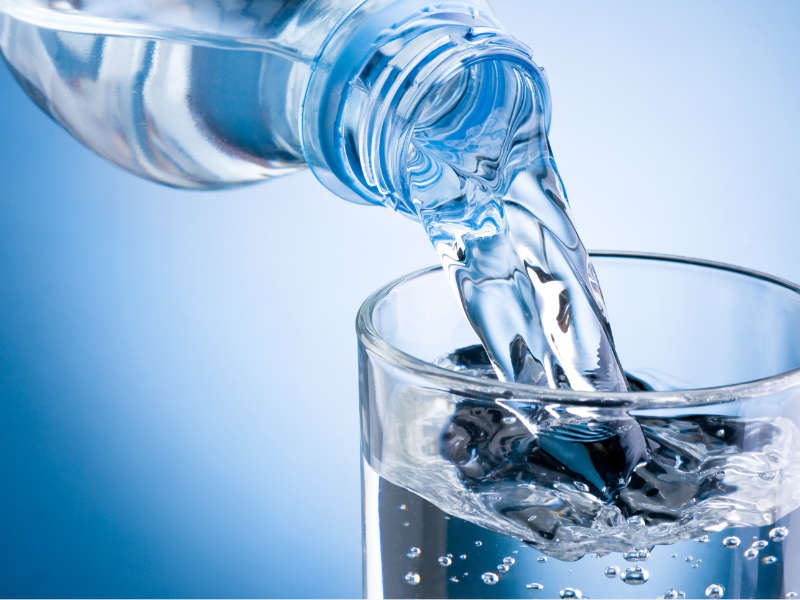
Physical Properties of Water
Water is naturally colourless, odourless, and tasteless when pure. It exists in three states—solid, liquid, and gas—and flows easily, allowing it to move through soil, pipes, and natural systems. These physical properties make water ideal for life, cleaning, and irrigation.
However, because water flows and mixes easily, it can also pick up dirt, sediments, rust, and microorganisms along the way. Cloudy water, bad smell, or visible particles are signs that physical impurities are present and treatment is required.
Common Physical Impurities
Sand and silt
Mud and clay
Rust particles
Organic debris
Impact:
Affects appearance, blocks pipes, damages equipment, and reduces filter lifespan.
Chemical Properties of Water
Water is an excellent solvent, meaning it dissolves many substances easily. As water moves underground or through pipes, it dissolves salts, minerals, and chemicals, changing its taste and quality.
This property explains why borehole water often contains high mineral levels and why untreated water may taste salty, bitter, or metallic. While some dissolved minerals are beneficial, excessive levels can be harmful or damaging to appliances.
Thermal Properties of Water
Water absorbs and releases heat slowly, helping regulate temperature in the human body, soil, and industrial systems. This makes water essential for cooling systems, agriculture, and biological processes.
In industrial and commercial systems, poor water quality can interfere with heat transfer, causing scale buildup and reducing system efficiency.
Biological Properties Of Water
ater supports life, but it can also support harmful microorganisms such as bacteria, viruses, and parasites. These organisms thrive in untreated water and can cause serious health problems.
Disinfection methods such as chlorination, UV sterilisation, and filtration are used to eliminate biological risks and make water safe for consumption.

